Raipur, October 25, 2026: Due to a cyclonic storm forming in the Bay of Bengal, heavy to very heavy rainfall is expected across various districts of Chhattisgarh in the coming days.
The Chhattisgarh government stated that, according to the forecast from the India Meteorological Department (IMD), a low-pressure area over the southeastern Bay of Bengal is likely to intensify into a cyclonic storm within the next few hours. During this period, wind speeds could reach between 115 and 140 kilometers per hour.
As a result of the cyclone, rainfall activity in Chhattisgarh is expected to increase starting October 25. Specifically, heavy to very heavy rainfall is expected in some parts of the state on October 28 and 29.
According to the weather forecast, on October 25, extremely heavy rainfall is expected in some areas of the Bastar division, specifically in the Bastar, Dantewada, and Sukma districts, while other districts may experience heavy to very heavy rainfall.
Additionally, heavy rain is also likely in districts including Raipur, Gariaband, Dhamtari, Mahasamund, Durg, and Rajnandgaon.
Similarly, on October 26, heavy to very heavy rainfall is expected in various districts, including Durg, Balod, Rajnandgaon, Mohla-Manpur-Ambagarh Chowki, Kondagaon, Kanker, Narayanpur, Bastar, Bijapur, and Sukma.
Rainfall is likely to continue across most districts on October 27. Furthermore, for October 28 and 29, rain is expected throughout the state, with some locations likely to experience heavy to very heavy downpours.
In light of this, the Indira Gandhi Agricultural University Raipur has issued weather-based agricultural advisories for farmers.
The university has urged farmers to take necessary precautions to protect their crops from potential damage and to adjust their agricultural activities in accordance with the weather conditions.
In view of the cyclonic storm, Minister for Farmers’ Welfare Ram Vichar Netam and Agriculture Production Commissioner Siddharth Komal Singh Pardeshi have directed departmental officials, staff, and field-level personnel to remain on high alert to provide necessary support in the interest of farmers.
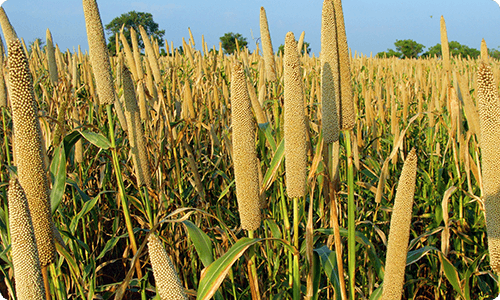
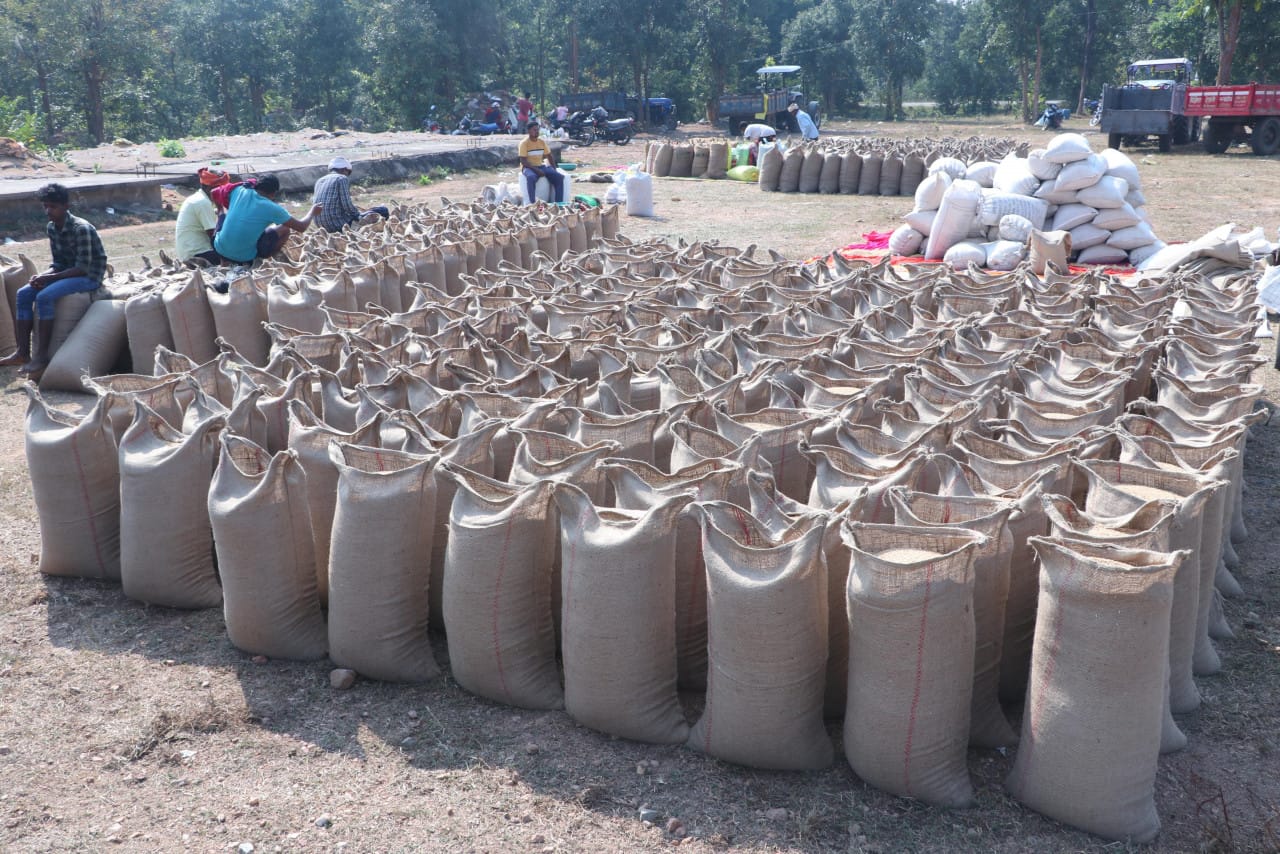
Agricultural scientists at Indira Gandhi Agricultural University have advised farmers whose paddy, pulse, and oilseed crops are nearing maturity to postpone harvesting for the next two to four days. Farmers who have already begun harvesting should promptly move the harvested produce to a safe location. It is essential to ensure proper drainage in the fields to prevent waterlogging, which could damage the crops.
Scientists have advised farmers that if signs of pests or diseases appear on crops, they should apply the necessary pesticides or fungicides only after the weather clears. Farmers planning to sow Rabi crops in the coming days are advised to take the weather conditions into account and begin sowing from the first week of November.
Farmers growing vegetables and fruits are also urged to exercise extra caution. Given the possibility of strong winds due to the cyclone, scientists recommend providing support structures for vine-based vegetables, particularly bitter gourd and bottle gourd, as well as for banana plants and fruit-bearing trees. Furthermore, ensure adequate drainage in vegetable fields and avoid applying pesticides or fungicides while it is raining.
Livestock owners are advised to keep their animals in safe, dry locations. In light of the potential for strong winds and rain, animals should not be tethered under trees or in open, exposed areas. It is also important to ensure an adequate supply of dry fodder and clean drinking water for the livestock.
Indira Gandhi Agricultural University has urged farmers to keep a close watch on weather forecasts and to follow the advisories issued by agricultural scientists. By taking necessary precautions in a timely manner, the potential damage to crops, horticultural produce, and livestock caused by a cyclonic storm and expected heavy rainfall can be minimized.